The webcomics blog about webcomics

Behind The Scenes

Something about my engineer’s view of the world makes me fascinated by all the things you don’t see on the surface of things; I want to know how things are constructed and how all the construction fits together. Thus, Pat Race and I made our way up to the panel rooms for the Editing Comics panel moderated by Chris Butcher. You may recall that about a month ago (that is, long after the panel was set for inclusion at the show) Butcher left his longtime position running The Beguiling and took a new job with VIZ as an editor, which made for an interesting (if initially unanticipated) dynamic at the front of the the room; he would have the opportunity to ask some of the best editors in the history of comics how they do their work such that (and I’m quoting here), I will take all your best information and then crush you.

[Self-editor’s note: when I italicize a passage of text like that, it’s as direct a quote as I was able to type in realtime; when left plain, I am paraphrasing the gist of what the speaker said.]

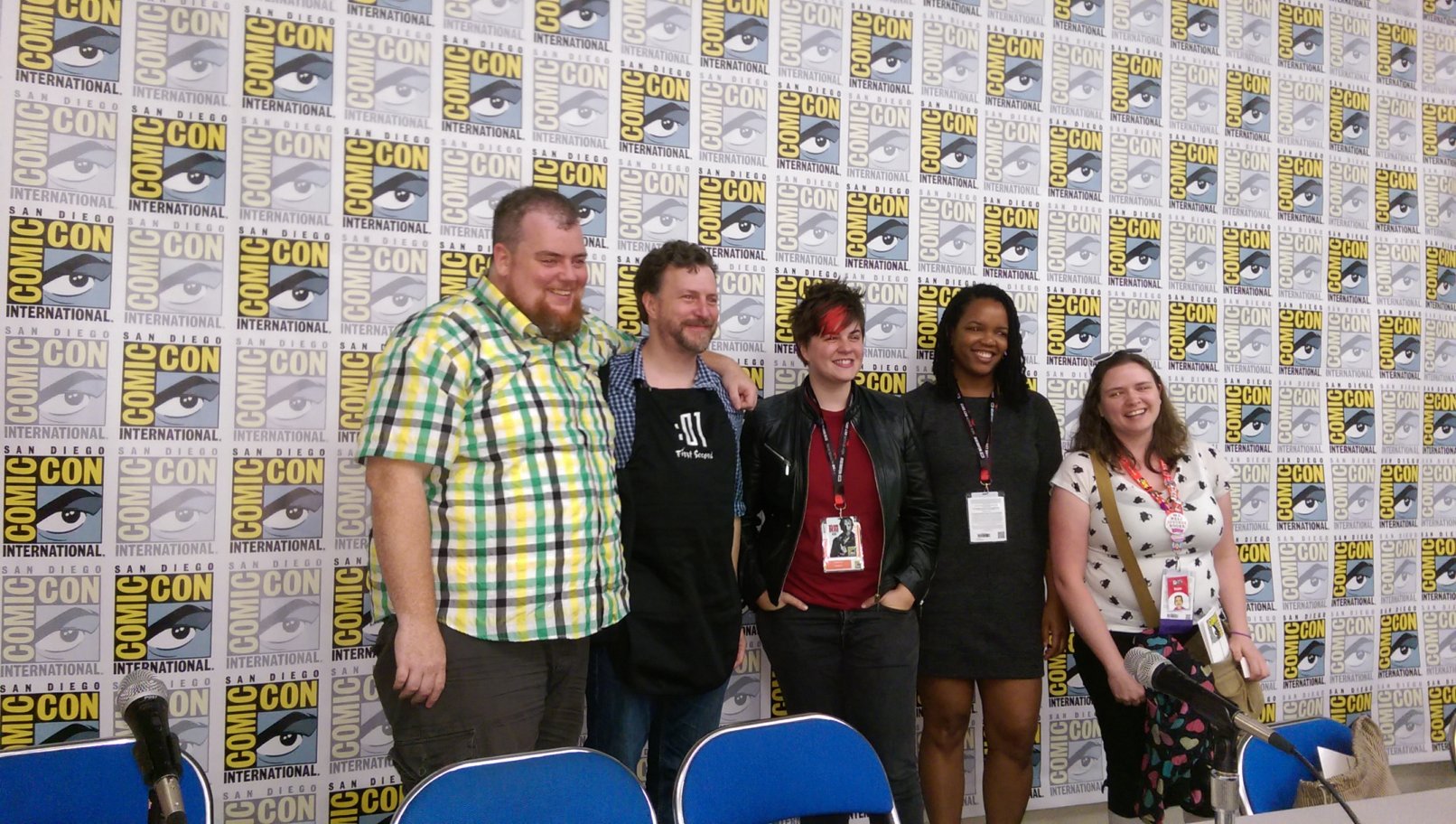
Fleen extends its condolences to the future crushees, people with distinguished careers to this point, who will shortly find themselves bereft of all they once held dear in their careers. In the meantime, though, they were awfully collegial and welcoming towards Butcher; they brought examples of their work and processes, and were generous in sharing how they approach their jobs. From right to left in the photo above, they are:

  • Robin Hererra, Oni Press
  • Cassandra Pelham, Graphix/Scholastic
  • Shannon Watters, BOOM
  • Mark Siegel, :01 Books

… all of whom came to editing via different routes. Hererra interned at Oni for a summer, then was an administrative assistant for a year before joining the editorial ranks; Oni is the only place she’s worked. Pelham worked a summer fellowship with Scholastic for three years that shifted towards graphic work in the third year. Siegel founded :01 in 2005 (within the much larger environment of Roaring Brook Press/Macmillan/Holtzbrink) to be a publishing house for authors rather than franchises¹, with broad themes and age categories. Watters started at BOOM in 2010 as an assistant editor, ran the KABOOM (licensed) line for a time, and now runs the creator-owned BOOM Box imprint.

They spoke for a while on the camaraderie in comics; Butcher noted that he’s friends with lots of folks, but now that he’s going to be in an editing role and competing with the to a degree, was worried that would have to end. It was nice to learn that wasn’t the case, everybody’s been very nice and welcoming in the community so far. He threw out an invitation to talk about the network editors have with each other:

Watters: There’s a special relationship, you understand this very specific thing you do that most people in comics don’t understand.
Pelham: It’s a small community, and we’re competitive but also supportive of each other. We’re cheering for others because a win for one of your books is a win for comics in general, for reading, and for kids. The most competition is at an auction, when you might be bidding against each other to acquire a book that’s been offered to several houses.
Herrera: But it’s a solitary kind of work. The most I’ve been able to talk to other editors is when I go to SCAD on Editor’s Day for portfolio review. At the end of the day you get out exhausted, but we talk. And they hold it at this old mansion with a giant porch, and there’s bourbon …

Butcher had each of them choose several books they’ve worked on and talk about how they edited each; the key takeaway from this discussion is that no two books, no two creators need to be handled the same way. Herrera opened with three books that featured three entirely different processes, and noted at Oni there are just editors, not story editors or copy editors, or other kinds of specialization; any project could require any of the kinds of skill.

She edited Space Battle Lunchtime (and continues to do so) from its pitch, ran all edits from start to finish, and gets to nudge creator Natalie Reiss in needed directions from time to time, relying on a very experienced creator’s abilities. By contrast, Ted Naifeh pitched Night’s Dominion with two issues already done; it’s a very different process when there’s little to no development of concept, story arc, and so forth. Finally, Oyster War by Ben Towle came in fully complete; Hererra made a few specific changes, then thorough copy edit, but a penciled-and-inked book is too late to do major structural changes on. Since SBL was the book that went through the most development with Herrera, she showed a lot of process: cover treatments, thumbnailed scripts and pages, Reiss’s writing style that lacks the cinematic approach many take in comic writing (but it works for her).

Butcher interrupted to ask the panel about an observation he’d had. Creators are reading fewer comics themselves these days, and does this translate to editors? Do they read fewer due to time or to avoid accidental influences? The answer was a pretty solid no, as the panelists are all enthusiastic (and wide-ranging) readers.

Siegel: I read fewer comics and more prose, but things pop up that I’ll get enthused about.
Watters: I read graphic novels more than single issues (there was a lot of head-nodding at this point).
Herrera: Since starting at Oni, I read more manga which we don’t publish; there’s no chance I’ll ever work with that creator, which lets me read and admire the work.
Siegel: Younger creators, I often try to get them to read wider than their favorite zone. I’ll recommend a book on writing, or nonfiction relevant to their project. A lot of times, they’re still moving out of being fans and into being authors, and I don’t think you can be both. I think you have to leave fan behind to be a creator. And of course they can have blind spots, so I’ll say Try some Stephen King to learn about pacing ….

Returning to process, Pelham talked about editing not just different projects differently, but different creators with different approaches. For example, the different approaches she takes with Raina Telgemeier and Kazu Kibuishi have less to do with their subject matter and more to do with how each does their best work. Raina tends to do full thumbnails, Kazu works straight to final art with little drafting or sketching.

Butcher’s next discussion point had to do with the craft of editing: when comics and graphic novels started breaking out of the direct market and into the traditional publishing houses, people didn’t know how to edit comics as comics. He noted some of earliest editors at the major houses were from children’s books, because they had a history of working with had words and art. Pelham noted that she did start editing in prose, but realized comics were my passion, that I wanted to lean into. During her third summer fellowship she moved to the Graphix end of Scholastic; like many, in college she read first graphic novel (Persepolis) and found it life-changing. Part of what was surprising in learning about editing comics was how my title was an editor-track job title, but I found myself also learning to be an art director.

Siegel dug the most into how the graphic novel sausage is made; given the :01 doesn’t do single issues, he focused on whole books as the unit of production and story, and the traditional publishing process starting from the pitch. He had a pretty detailed discussion about how a lot of people try to pitch graphic novels that come from Hollywood or animation, and are used to doing in-person presentational pitches, trying to sell a project on personal charisma, and that’s not how books work. They’ll say, we want to set up a meeting and I say no, I’d rather not meet you at all. It doesn’t matter what happens in that the pitch meeting, all that matters is what’s on the page. In the book world, you need to send a presentation and it either works on the page or it doesn’t.

To that end, Siegel also tries to be very open about the process; People outside the business have a hard time seeing what actually goes on in the publishing world; it’s not what you see in the bookstore. Authors really have no idea what we do. With :01, we try to open the curtain and reveal what happens. [Marketing director] Gina [Gagliano] posts a lot of stuff on our blog, a lot that seems obvious, so creators understand what we do in publishing and marketing. … It helps them to understand so we’re partnered … with us, your agent, the designer, the production people are all your allies in making that book.

Back to pitches: sometimes they’re a few pages typed up, describing story, characters, what the book is going to accomplish, and then editor and writer can find an artist to pair up on the project. Scott McCloud’s The Sculptor came in as a presentation package, almost the Hollywood-style approach that Siegel said to avoid (McCloud is an unusual case, he said in an understated manner). Normally, it’s a few finished pages, character description, some script, enough to have the shape of the project and have a conversation with creator.

The next stage is scripting. He shared a sample of a Gene Yang book (looked like Boxers to me) which featured the traditional typed dialog and page thumbnails. Siegel pointed out that this approach shows the creator is Thinking in both words & pictures at the same time. Sometimes you get something that works or doesn’t in words, then the art comes in and it doesn’t work or it does.. The thumbs let the editor see in a very small size — each page about the size of a postage stamp — how a scene will play out, meaning you can sometimes spot a problem and fix it before the art progresses too far, but mostly it’s at the pencils stage that you fix problems with story or scene setting.

Butcher added that he always thought these stamp sized thumbnails were just about proving to the editor that you were working, but Siegel has the opinion that the thumbnail stage is the the hardest mental work, because it’s where you’re pulling out the story. The execution (pencils, inks, color) is actually simpler (but naturally, more labor intensive and time-consuming). Watters described thumbs as the skeleton you’re throwing the meat on, and Siegel as the first conversation with the creator. You’re not talking about dialog, it’s about the large structure of the story.

He demonstrated that by showing scribbled-up thumbs from Nidhi Chanani’s forthcoming Pashmina and remarked that he’d get on Skype and have a conversation about how the story is structured.
Watters: I like doing dialog passes on Skype.
Siegel: It’s good testing dialog out loud.
Butcher: It’s not like how people imagine comics with the old Marvel bullpen, everybody in one room. You could be working with people across the country or across the world.

Pencils and inks follow, which are a monumental amount of work, so you have to catch problems early before all that work goes in; the worst thing is having to make corrections at the end of the process. Siegel noted that one issue of people working on long graphic novels is that of stamina, mental fatigue, mental breakdowns, there’s a much higher casualty rate than working in prose. For that reason, I’ve evolved a process and become a better editor for it, as soon as we pass the architectural stage, I invite the authors to send in small batches. I don’t keep them waiting [for feedback/direction], it does marvels for morale.

Watters brought a series of different projects with different approaches, noting that at BOOM Box things come to in differently — Backstagers came to as a full idea but Goldie Vance was a completely different process. I hit up Hope [Larson], and said I really want to to a teen detective book, I know you have time in your schedule, it’s already greenlit because I trust you. You own it, let’s work together to develop something. Sometimes the pitch is complete, sometimes I develop the pitch with them. It’s produceresque.

Butcher had one last big question of his own before opening to the floor: when you acquire a project, when you start that process, do you represent the creator’s interest to the publisher or vice versa. Whose side are you on? Siegel asked if he could start the response² and then was pretty emphatic: Both. You’re the punching bag in the middle, and you can get bashed from both sides [all nodding in agreement]
Pelham: Even if it’s not an editorial issue!
Siegel: You’re kind of forced at times into a diplomatic relationship. Sometimes you’re forced to choose and that puts an editor to the test. Sometimes the pressure’s from great big corporations, you have to make a decision and it’s hard. But something I learned from an editor I respect a lot [Self-editor’s note: I didn’t catch the name, sorry], is that if you have to choose between the company and the author, you try to go with the author.

From the floor: I’m freelancing as an editor now. How do I make editing a full time job?
Pelham: Have a website.
Watters: Communicate with others and have relationships.
Hererra: Edit pitches as well as whole projects.
Butcher: Sometimes houses will have a pitch they don’t have editors to manage and will go looking for freelancers.
Watters: Sometimes creators have editors they want to work with, and will bring you in on their project.

From the floor: I took a prose editing class last semester, how do I practice comics editing?
Butcher: Read a lot of comics.
Hererra: Read manga; it’s read in reverse and that actually teaches a lot about story structure.
Watters: I took McCloud’s Understanding Comics and read it with comics I liked and thought worked, and figured out why they worked.
Butcher: I worked with creators with great editors, so I could see the process.

From the floor: I’m a freelance editor, I have a script I want produced. Do I go to company with script, script and a few pages, or the whole thing drawn?
Watters: Put together a pitch document.
Hererra: Have a few pages to look at.
Floor: Not a whole book?
Siegel: Right, unless you’re the greatest creator ever, you can’t bring in a complete book.

From the floor: How do I give notes on the whole story arc, not just details?
Siegel: You can practice that, but there is a craft. It’s still Is a character shallow, is this cliche? There’s nothing wrong with starting from a cliche, but it’s bad to land on one.
Pelham: Break it down: character, plot, theme, story; see if it all works before the art gets added.
Butcher: It’s macro/micro — the whole project works, then break it down. Story works, then thumbnails, then pages, then panels. Don’t start at the smallest scale and work up.

From the floor: We have a pitch, I’m an artist, I have a writer, I’m trying to understand the relationship with the editor because I think I need one. Can I expect a publisher to help me out with others … finding inkers, colorists, can an editor help me with that?
Watters: Yeah, that’s production, if they buy the project at the stage you have it at, they’ll help you finish it. It’s all about expectations with the project at the acquisition stage.

[Self-editor’s note: And what none of them said but which is probably self-evident, you need an editor. Trust me, it’s an almost-impossible chore to edit yourself.]

_______________
¹ See our coverage of the :01 tenth anniversary panel last year for more on that theme; Siegel has succeeded at that goal admirably.

² One of the delights of this panel is that the panelists were considerate of each other — not speaking over, looking to others to prompt their input.
Storm, Calm, Etc

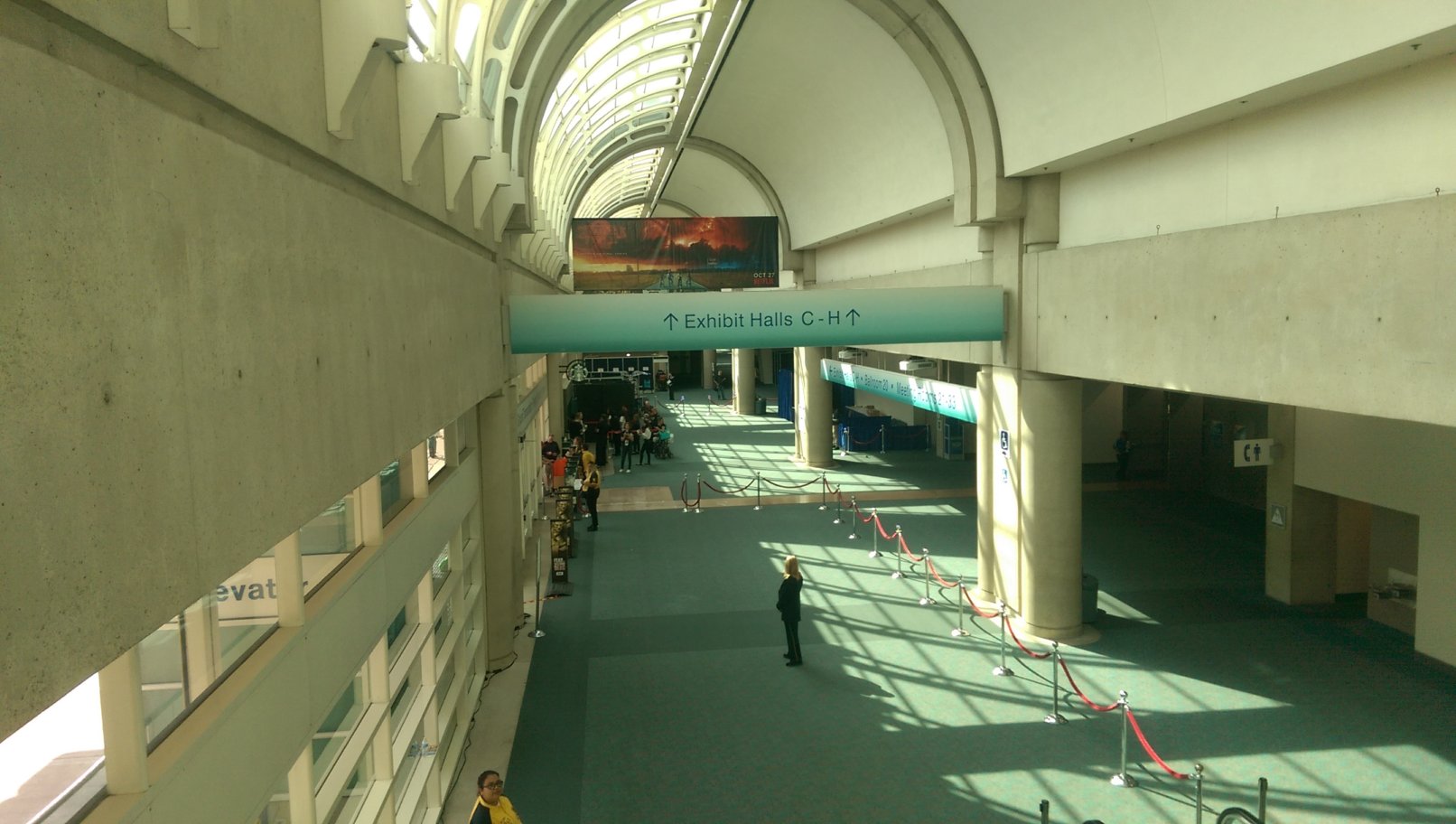
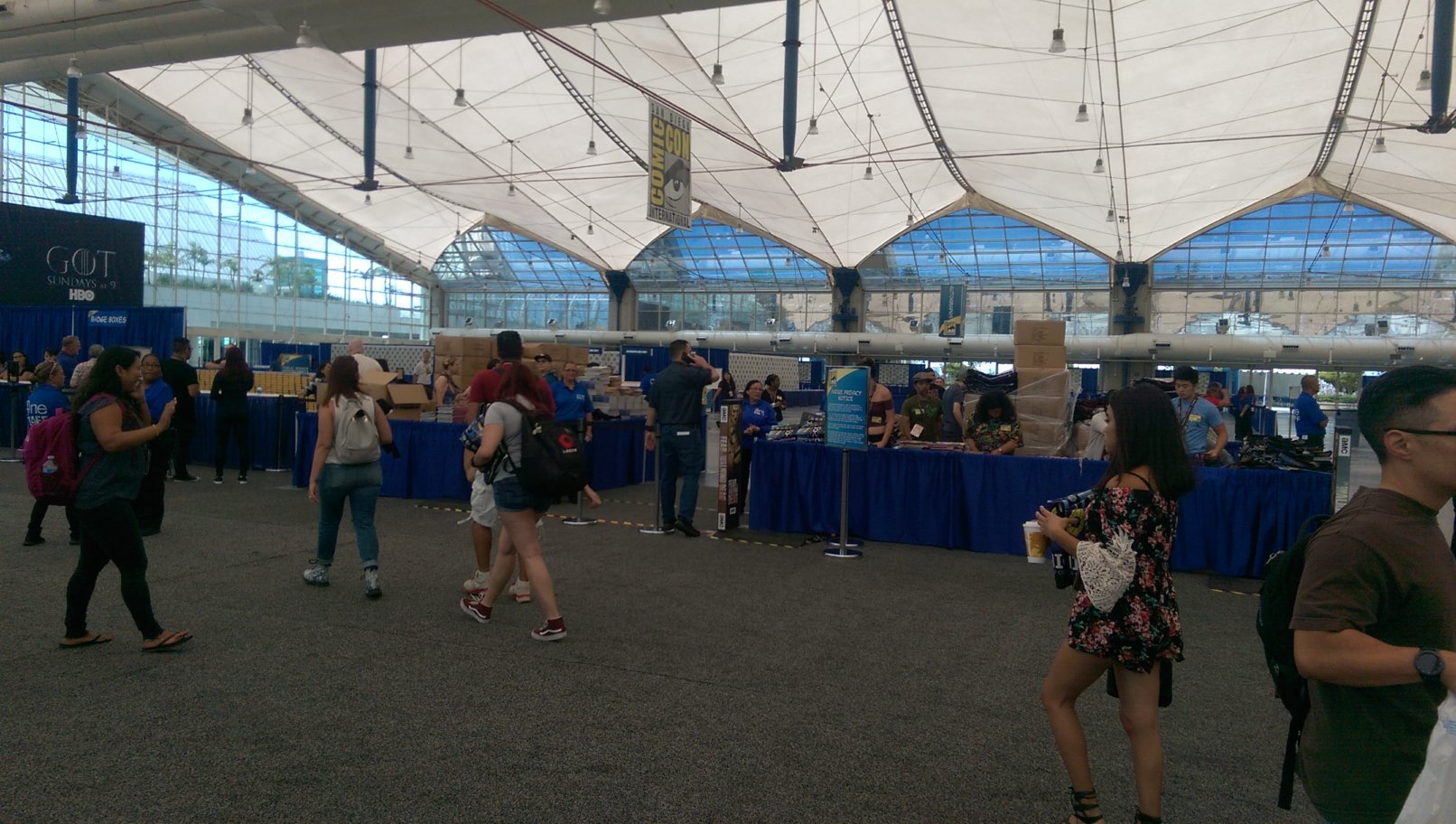
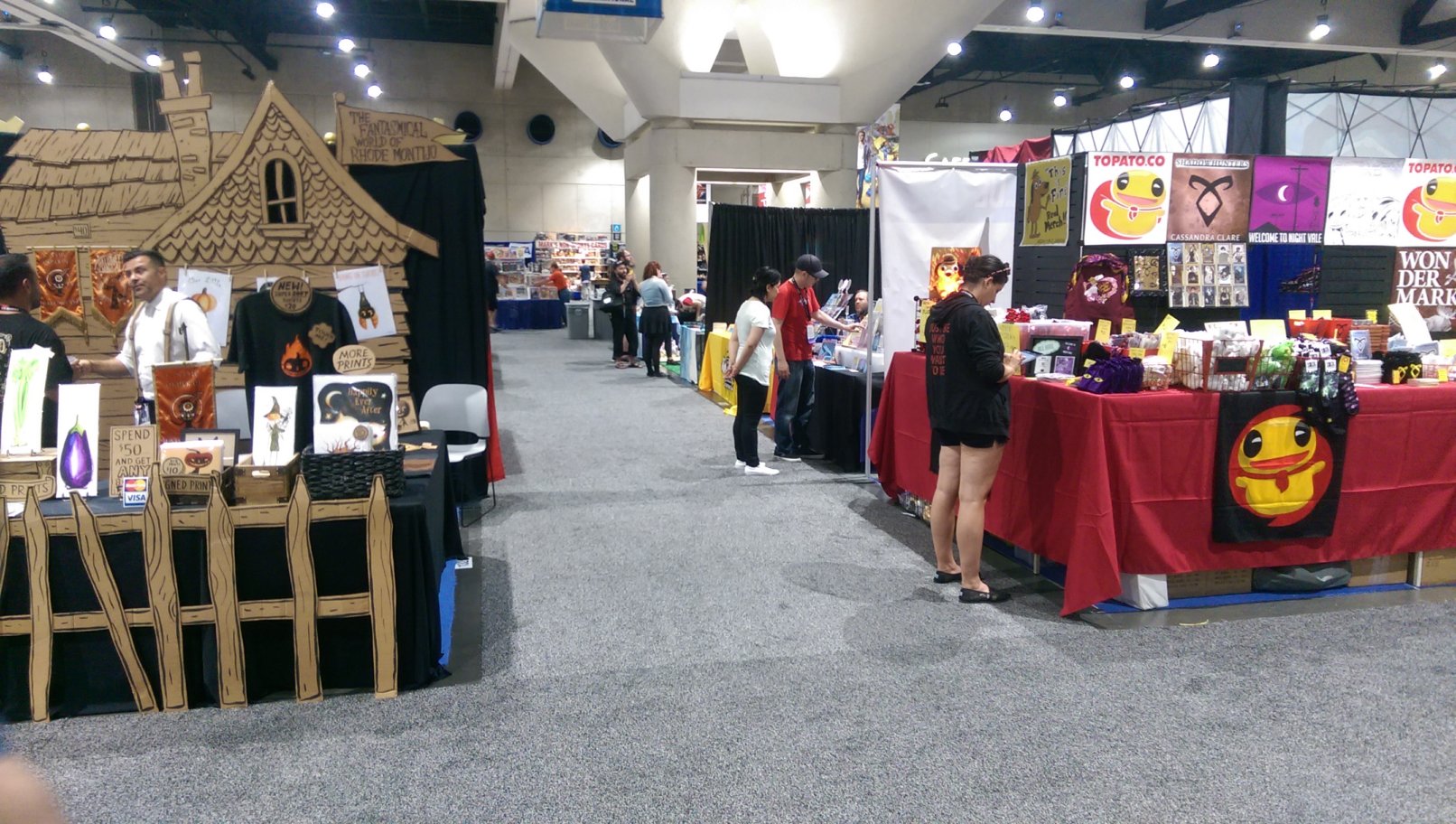
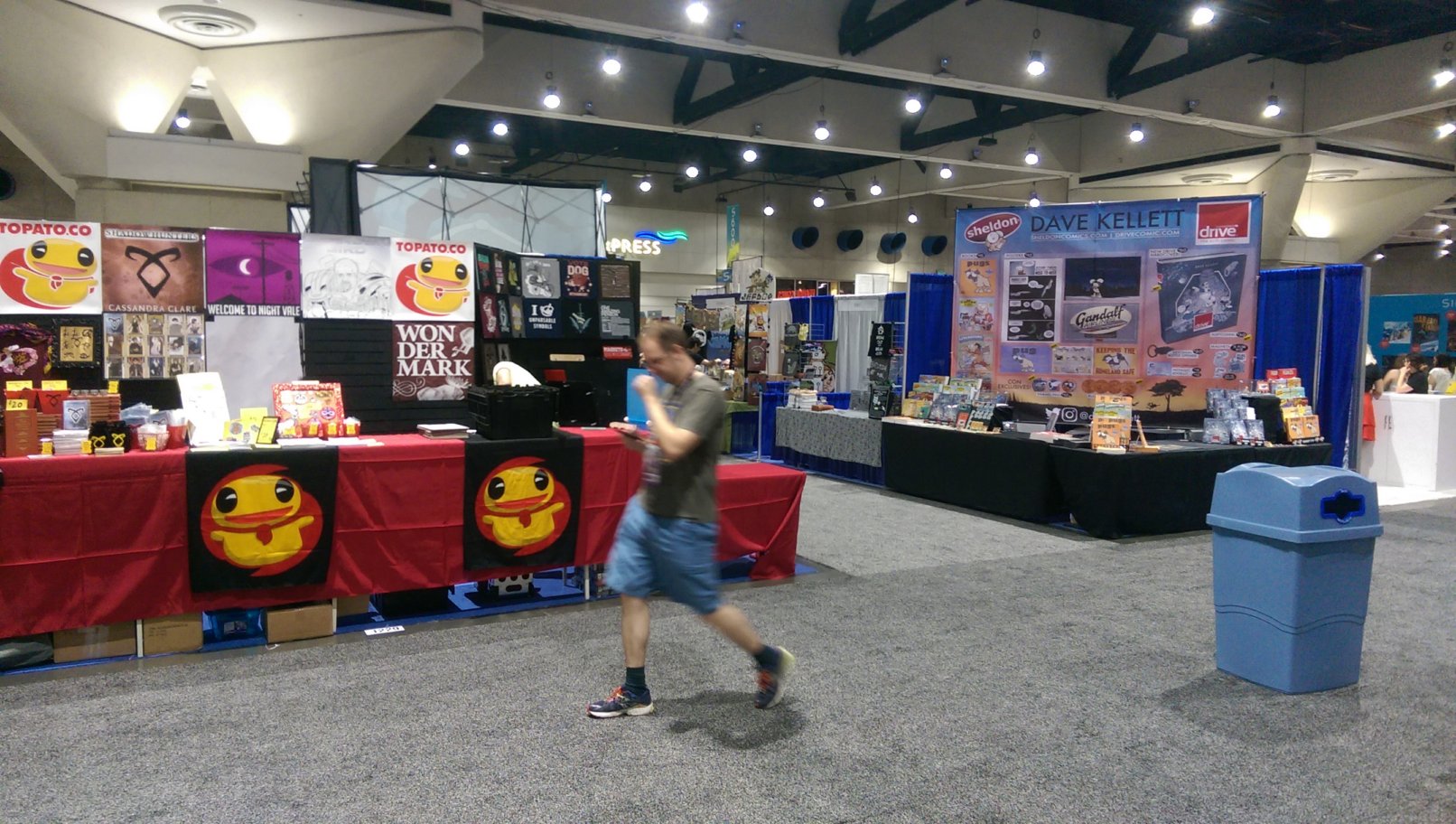
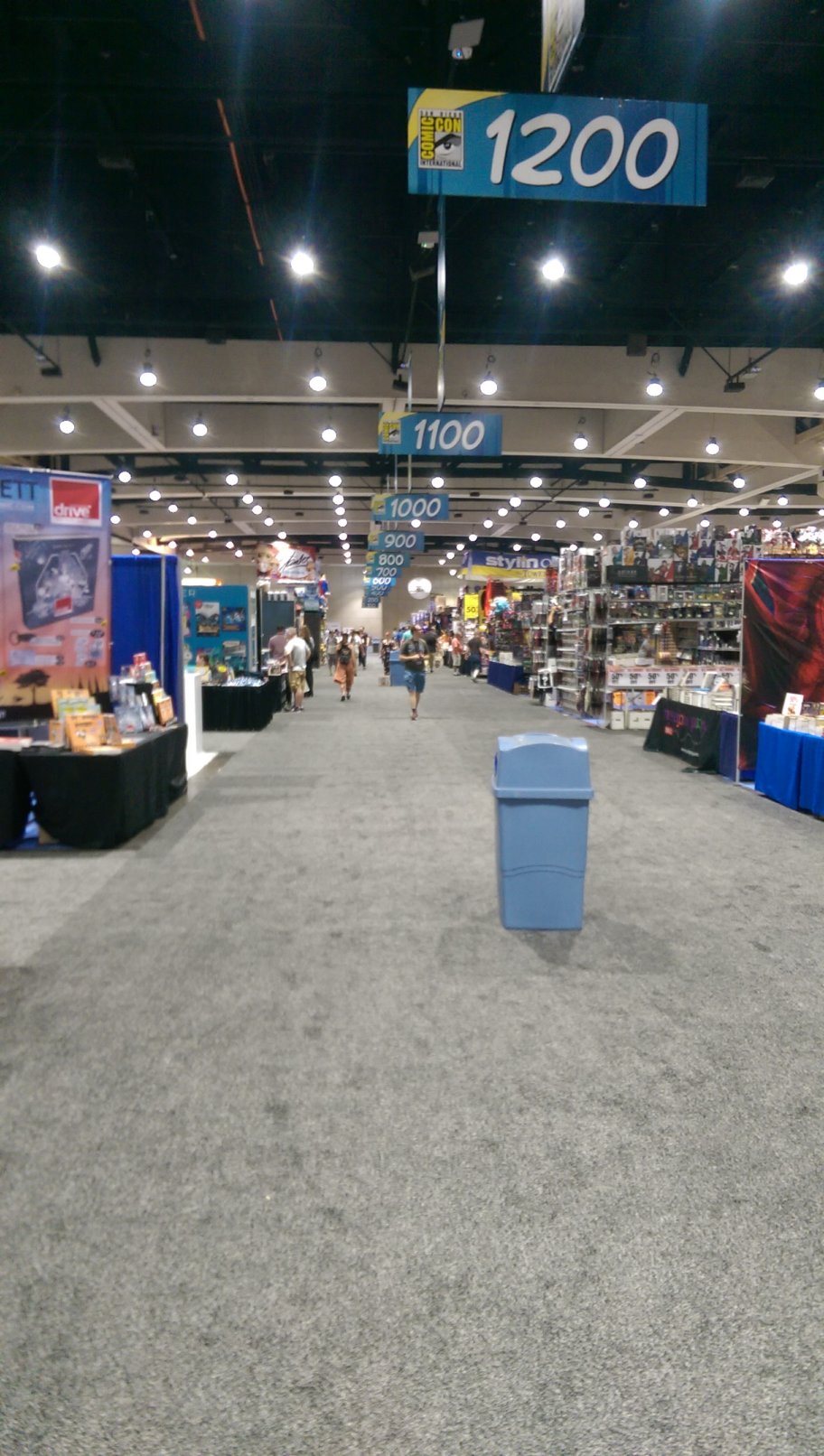
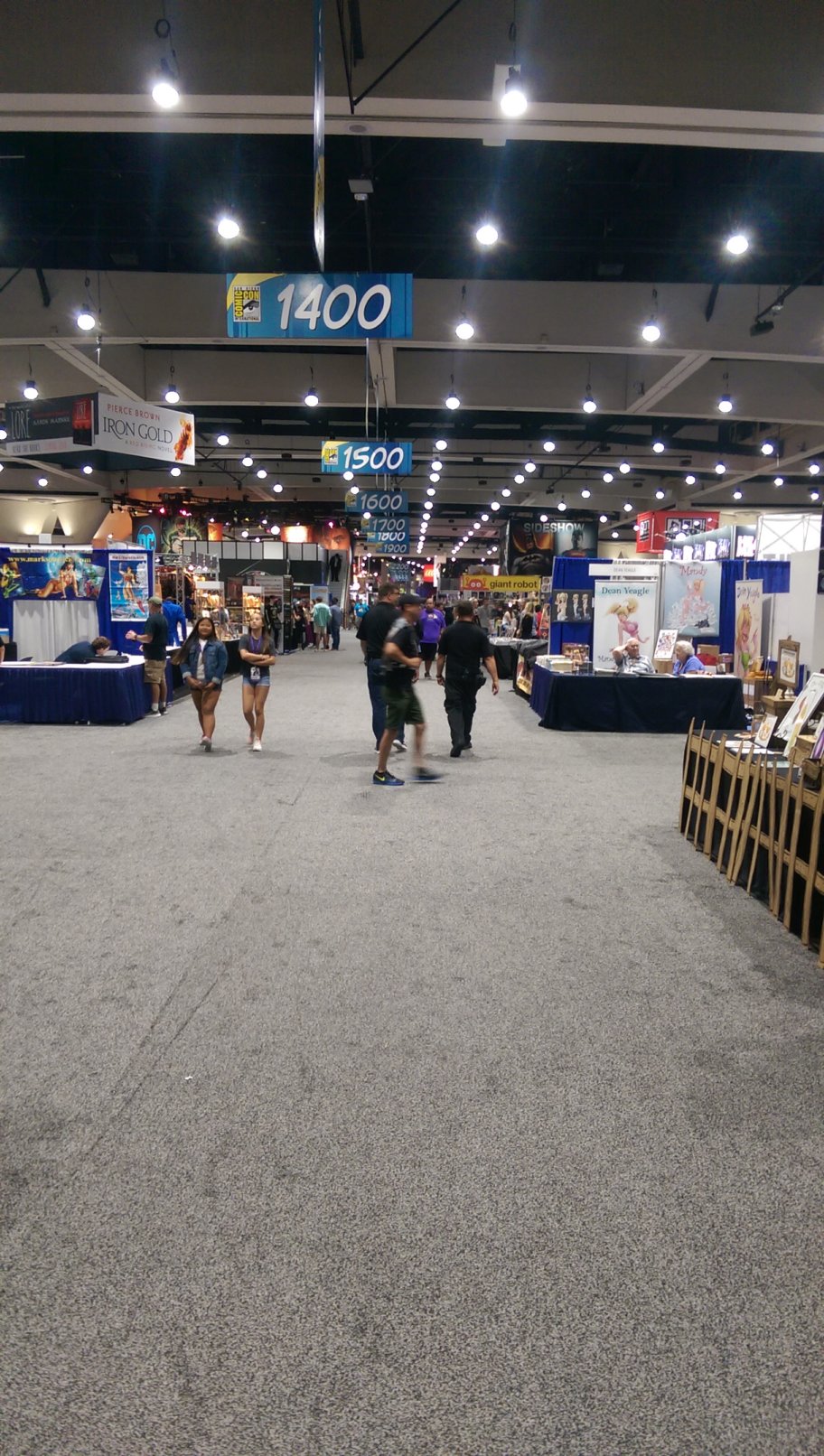
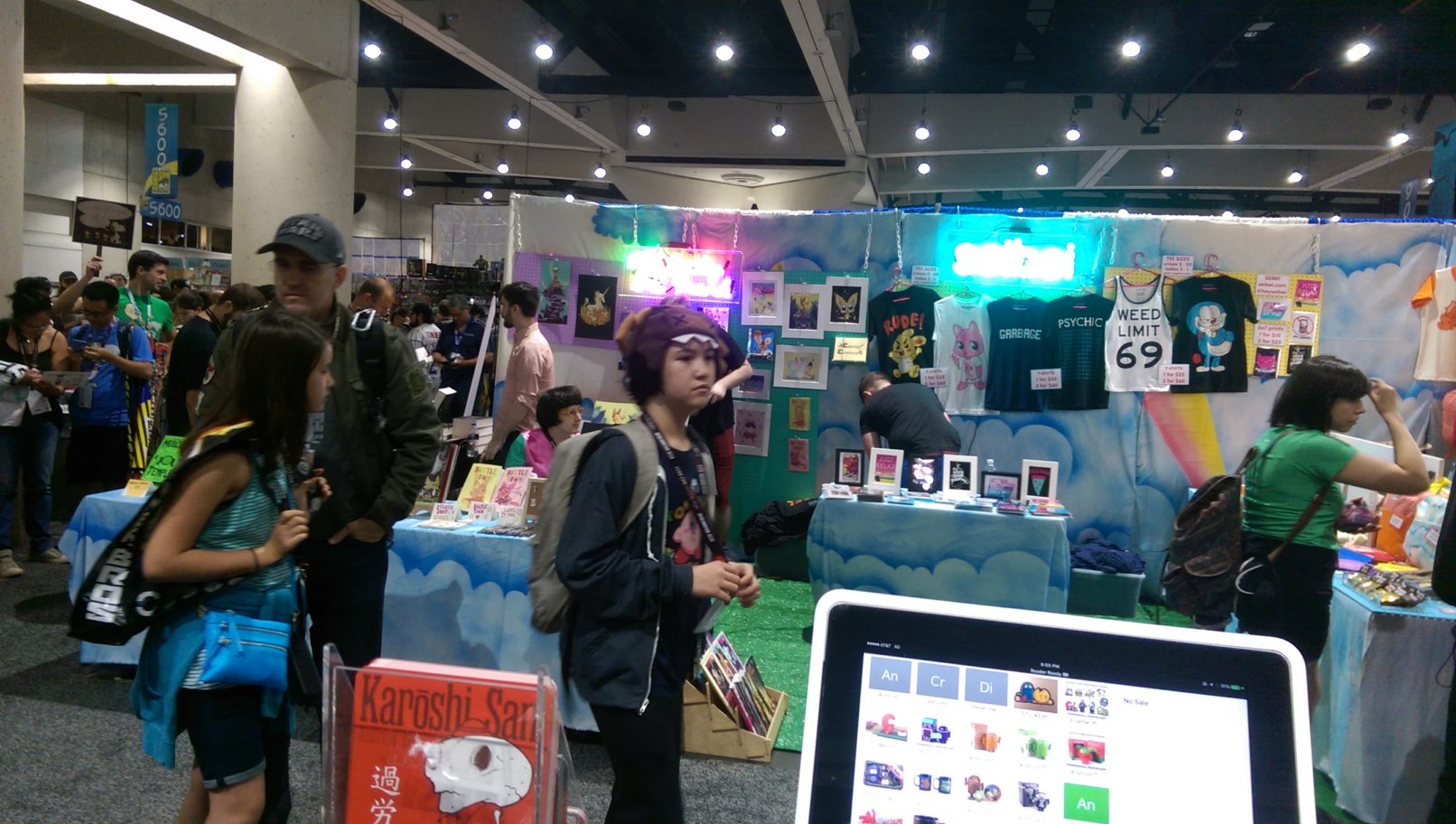
The story of Wednesday at Comic-Con can largely be recycled from year to year. The eerily empty halls, the slight bustle at registration through the first half of the day¹, the mostly orderly work of getting the booths in their desired configuration and seeing how the town itself transforms in the presence of nerds. One particular nerd near my hotel had enough fans in line early in the morning to wake me with their cheering from ten floors down.

This year’s photos come with an added frisson of danger, though, as there were repeated announcements throughout the day about how photos and videos were not allowed to be posted prior to opening the show floors and exhibitors that did so risked ejection, Comic-Con does not allow the taking photos of the exhibit hall at this time. Which, yeah, was roundly ignored and I daresay prompted a lot more photo and video taking than would have ordinarily occurred. So good one, Mysterious Voice². I’m sure that whoever decided this policy was certain it would result in a massive bolus of social media postings just as soon as the crowds were let in, resulting in a bump of publicity. Had that happened, I’m pretty sure all the cell data and wifi in the hall would have fallen over.

But snippy and unworkable media control policies aside, Wednesday during the day is great on the floor, because it’s your chance to get caught up with people that you won’t have a chance to talk to for the next four days³. You’ve got the big booths that take a practiced crew much of the day to put together, you’ve got the smaller ones people can roll into an hour beforehand and figure out where things will go. Everybody’s got their methods and somehow it all works out okay. In any event, it leads to awesome conversation and if you ever have the chance to chime in on a brainstorming session about what could happen in Squirrel Girl between Ryan North and Erica Henderson and get complimented that you really know your Squirrel Girl continuity, I recommend you do that.

Things To See On Thursday:
There’s a panel on editing comics moderated by the invaluable Chris Butcher at 1:30 in Room 4 that looks interesting. Before that, John Hodgman — raconteur, podcaster, author, actor, TopatoCo client, and arbiter of justice — will have a brief signing at 11:00am, in the Penguin Book Group booth complex. It’s listed as booth 1515, but has so many sub-booths that they are lettered A through at least G.

Stuff To Get:
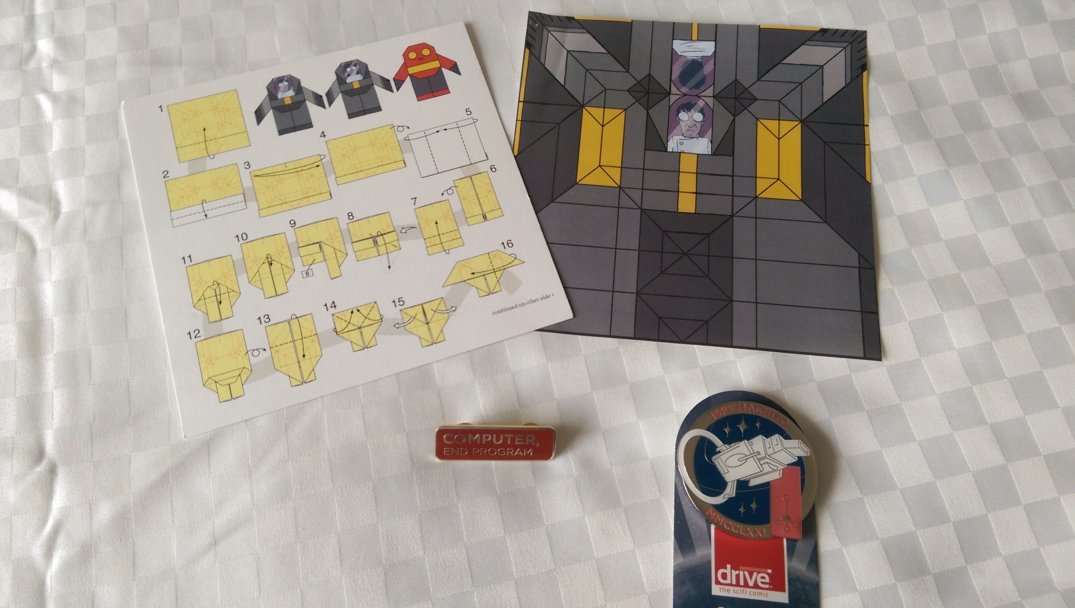
Speaking of the Penguin booth complex, it’s where I picked up a neat promo item for Kelly & Zach Weinersmith’s Soonish, coming this October (and whose Kickstarter-access channel coincidentally wrapped yesterday; okay, that was really for the new book on the history of science (abridged), but you could get a copy of Soonish, which is probably why it raised over US$330K): origami paper and instructions to create a grumpy astronaut! Also in the photo: a ISPS Machito crew pin, gifted to me by Los Angeles resident Dave Kellett, and an absolutely genius design gifted to my by the very sexy Rich Stevens. Everybody that couldn’t get a Pride of the Resistance pin last year because they sold out, he’s got zillions this year.

Cosplay:
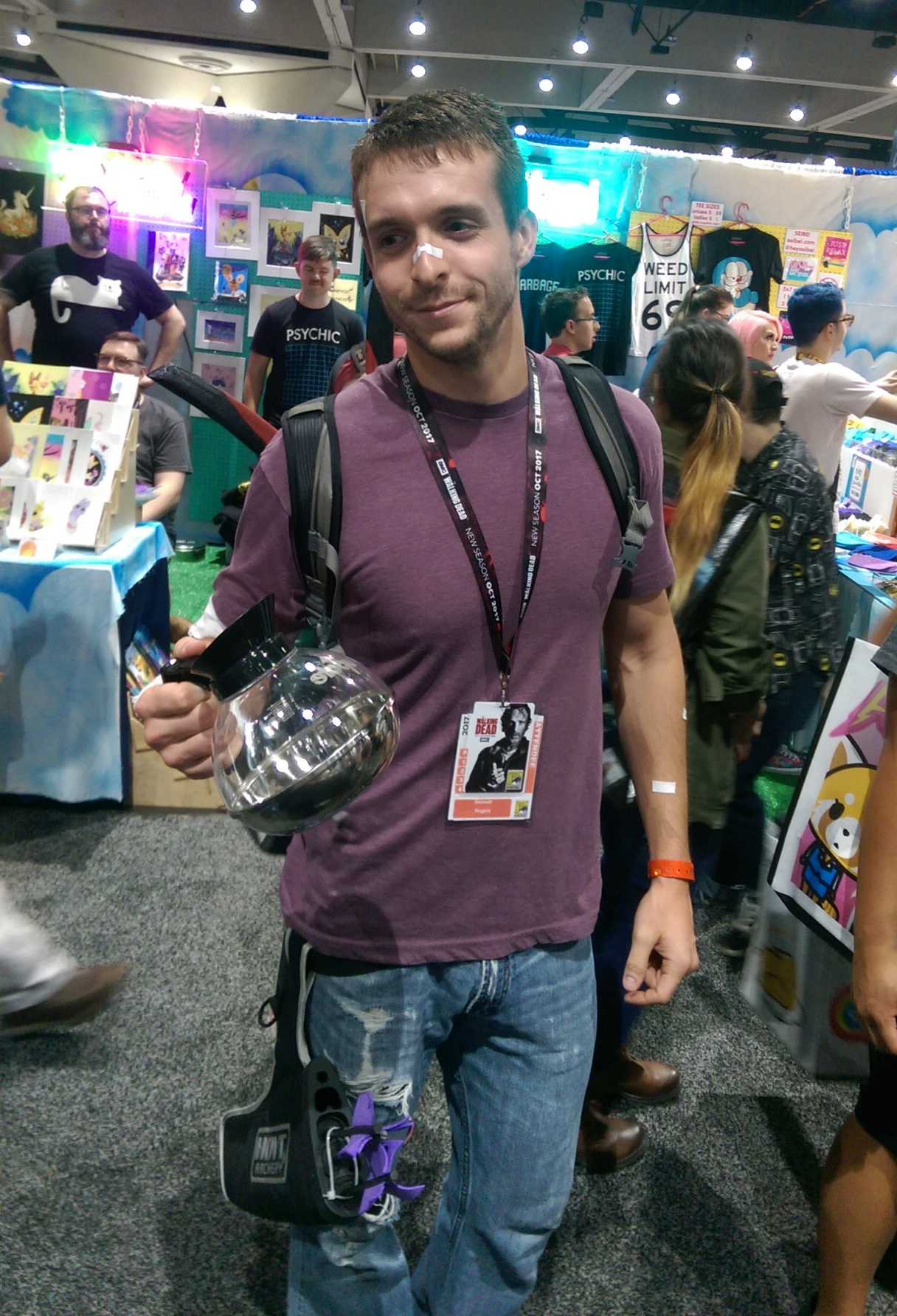
This Hawkguy looked great, and that was before we noticed he was carrying a coffeepot. Rich Stevens was so taken with the look that he sent a picture to Matt Fraction who replied with, and I quote, BROOOOO.


Spam of the day:

Wanna Watch me?!?!?

Much as I appreciate professionally naked people, your abuse of the interrobang offends me.

_______________
¹ With most attendee badges being mailed these days, you don’t have the massive wave of humanity you used to get — it’s for those that had problems or for some reason opted against mail delivery.

² The lady that used to serve at the Voice of Comic-Con has apparently moved on in life; this dude has no sense of humor when he states There is no running on the exhibit floor (evidence to the contrary aside). And the volume is still too loud.

³ Intermixed with the regular over-amplified admonitions Exhibitors, return to your booths. Aisle traffic will delay the opening of the exhibit hall. These announcements start around 10:30am.

Long Flight, Not Enough Sleep, Ready To Do This

We’ll be posting as things occur for the next four-five days. Do join us.

In Retrospect, It Was Silly To Expect News To Drop Today

Everybody’s heading to San Diego. I’m about to head to San Diego. Not much news breaking today. We’ll try again tomorrow, ‘kay?

Cycles Inside Cycles, Messages Inside Messages

We at Fleen have been known to wrestle with what a webcomic actually is, and going on twelve years in the blogging game, hell if we know. It’s basically whatever feels like it fits the definition; if you can imagine related stuff being sold by TopatoCo, it’s probably webcomicky.

Which is why we’re engaging in a first today, and taking a deep dive into something nonvisual.

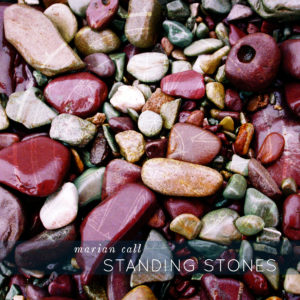
Standing Stones is the tenth album by internet musician Marian Call, now on tour (including a show in a week’s time adjacent to next week’s San Diego Comic Con). It’s been a long time in development, some two years, and it turned out to be rather more than an album. She describes it as a song cycle, which is not a term that you can use casually. It’s appropriate, though: there’s not just a theme to the album, but meaning in how the songs interact with one another; the order is particularly important, and it’s probably the best trace the stages of life collection since XTC’s Skylarking.

Call drops multiple references to The Twelve Ages Of Man and each song evokes an age, starting with a musing on both birth and death (Bones), continuing through the wild creativity of childhood (Paper), the realization that we’re not as fantastic as we thought (Oregon Trail), the desire to leave our mark on the world (Standing Stones), the reality of loss (Hope), the cynicism of modern life (Like This), the compromises that we fight against (Mediocre Algorithmic First Date), the need for community (Independence), the acceptance of pains and struggle (Vespers), our struggles with ourselves (The Devil), and a reflection on endings and the infinite (Grandpa Had It Right).

But here’s the thing — within that linear ordering, there are at other patterns. Through much of the album, there’s an alternating quick/slow tempo to the songs, moving quickly and then relaxing, like a heartbeat¹. Adjacent songs act as reflections of each other (Paper v Orgeon Trail looking at dreams; Standing Stones v Hope on what we build and lose; Like This v MAFD on how we present ourselves and who we really are). And Taking the Twelve Ages as reflecting both the progress of a life and seasons of the year, there’s a little cycle in each cluster of songs — dreams, building, relationships, sunsetting, each following a similar cycle.

As you noticed, there are only eleven tracks to go with the twelve ages, but Call’s got you covered there. Grandpa Had It Right reminds us that we’re only bones with stories on and carries us back to the start. Those bones show up throughout the cycle, and they’re an apt framework to hang the songs on. Another writer might have tried to get to the heart of who we are², but Call seeks to get to the bones of it; she knows that hearts break and fail, but bones persist. Long after our hearts are gone, our bones and the stories we grow on them will still be there.

I haven’t mentioned the music yet, or Call’s vocal performance, and it’s not because they’re lacking. I know words; I get them, I can pick them apart, find the meaning and truth (or at least a meaning and truth) in stories. My brain doesn’t pick apart music the same way; I can tell a good performance from a bad one (or more precisely, one that accomplishes what it sets out to do from one that doesn’t), but I can’t tell you about the importance of how this instrument plays against that, or how the scales line up. Hell, I’m practically beat-deaf.

But I can tell you that there’s a lot of richness to the playing, blending into an integrated whole that never overwhelms the most important instrument — Call’s voice. There’s discussion in these songs, as she talks to others we cannot hear (and sometimes, to herself). The emotional heft — from wistfulness to optimism, determination to acceptance — has a depth and breadth, drilling into the feeling part of your brain and not letting go. You won’t catch it all on a single listen, or even two. You’ll need to listen to think, and again to feel, and again to bring them all together.

And, if you’re like me, a half-dozen more times in short succession just because it all helps you make sense of the world when it’s not making a lot of sense on its own.

Standing Stones is available for download in a variety of formats, and as a CD. Marian Call is on tour through November; if you don’t see your city listed, email her.


Spam of the day:

Search Cell Phones For SENIOR CITIZENS

Ain’t that old yet. Get lost.

_______________
¹ Is it my imagination that the strength of that heartbeat is greater at the beginning of the album than at the end?

² Or, in one writer’s equally valid argument, the liver.

True North

That would North, be the actual compass direction, and not North, Ryan, who although he comes from the northerly climes, we are not referring to at the moment. We will be shortly, however, because one will recall that Ryan North is one of the fabled three living embodiments of a Nexus Of All Webcomics Realities.

North (again, direction) because news has come of this year’s Joe Shuster Award nominations, recognizing outstanding achievement in the creation of comic books, graphic novels and webcomics by Canadians, and named for the Torontonian co-creator of Superman.

The Shusters (like their co-Canadian awards, the Doug Wrights) have a narrower range of categories than the large American awards, and do damn good job of recognizing what makes a webcomic (or bande dessinées web, if you prefer) worthy of notice. Let’s check out the 2017 nominees.

As in the past, the Webcomics Creator / Créateur de Bandes Dessinées Web has drawn from a wide variety of forms and story types, and this year is no exception. The seven nominees are:

There are webcomics types in other categories, too. For example, Writer / Scénariste includes nods for Ryan North (Squirrel Girl, Jughead), Bryan Lee O’Malley (Snotgirl), and Chip Zdarsky (Howard The Duck, Jughead)¹. Lagacé also got nominated for Cover Artist / Dessinateur Couvertures (mostly for Archie titles, but also Jem and Street Fighter), alongside Ramón Pérez² (again for multiple Archie titles, but also Hawkeye and Nova).

Lagacé also pops up in Artist / Dessinateur (Archie again, Betty Boop, Die Kitty Die), with Stuart Immonen³ (Empress). And The Dragon Award (Comics for Kids) / Le Prix Dragon (Bandes Dessinées pour Enfants) includes Faith Erin Hicks for The Nameless City (so, so good).

The awards will be presented the first weekend of September, with time & venue to be announced on 30 July; Fleen wishes the best of luck to all the nominees. Except Zdarsky. He knows why.


Spam of the day:

Best Payday Lenders Services

Payday loan firms are the absolute closest thing to a completely parasitical business model, existing only to heartlessly exploit whomever they get their hooks into, so I most sincerely and politely invite whoever sent this to me to reconsider their lives and perhaps find something more worthwhile and less reprehensible with which to occupy themselves. May I suggest aimlessly rolling around in an open sewer full of broken glass?

_______________
¹ Also Tragically Hip frontman/Canadian living saint Gord Downie, for Secret Path, a graphic novel illustrated by Jeff Lemire to accompany the album of the same name. Secret Path is the story of Charlie Wenjack, a First Nations boy who escaped from Canada’s residential school system and died trying to make his way home.

² I still believe in my heart that Kukuburi will continue some day.

³ Some of us still remember Moving Pictures, done with wife Kathryn Immonen, taken down because pirates suck.

Yeah, Can’t Think Of A Title To Keep The Theme Going

Looks like the weekend at San Diego Comics Con is gonna be quiet compared to Thursday/Friday; not that there’s any less programming per se, just that the descriptions provided didn’t reach out and grab me or seem particularly relevant to the purpose of this page¹.


Saturday Programming

Comic Book Law School 303: A Helping Hand
10:30am — 12:00pm, Room 11

And the legal lessons conclude with fan-centered issues: Fair Use, fanfiction, fanart, fanfilms, and fansuchlike.

Real Life On The Page
12:00pm — 1:00pm, Room29AB

With (all together now) Box Brown, who really can talk about other things, a discussion of history and education topics. Moderated by NPR’s Petra Mayer, the panel includes MK Reed, Alison Wilgus, Tillie Walden, and Landis Blair.

BOOM! Studios: Discover Yours
12:30pm — 1:30pm, Room 24ABC

I mentioned a stealth BOOM! panel on Thursday, and here’s an overt one (also featuring John Allison), and the offer still stands: one dollar American cash money to anybody that asks why BOOM! pays so poorly and (perhaps more importantly) so late. Filip Sablik, president of BOOM! publishing and marketing will be present, so this is probably your best chance to speak truth to power.

Superheroes and Comics Can Transform Learning
1:00pm — 2:00pm, Shiley Special Events Suite, San Diego Central Library

Lots of variations on this theme from year to year, but how many feature Jorge Cham? Sadly, his We Have No Idea co-author, Daniel Whiteson, doesn’t appear to be part of the panel.

Unconventional Comics
1:30pm — 2:30pm, Room 8

Did you know that there are comics without superheroes? (I am paraphrasing the original description only slightly) Gemma Correll, Melanie Gillman, Simon Hanselman, and R Sikoryak in conversation with Cartoon Art Museum curator Andrew Farago.

Spotlight On Box Brown
3:00pm — 4:00pm, Room 4

Like this, for example: Box Brown’s a huge wrestling fan, and the interview for this session will be conducted by Uproxx’s pro wrestling editor, Brandon Stroud. Let Box Brown stretch his conversational legs!


Sunday Programming

Steven Universe: Art & Origins
10:00am — 11:00am, Room 29AB

What’s this? A small scale Steven Universe discussion? Rebecca Sugar, Ian J-Q, and zero voice talent? I think I just found my new must-see panel.

The Not-Keenspot Panel
I always mention the Keenspot panel, but when the title talks about how your Bobby Crosby-helmed YouTube show is taking over the Keenspot panel slot? Yeah, no, calling shenanigans on that. You can find it easily enough, though — it’s the actual, literal last panel in the programming list.
[Editor’s note: Keenspot impressario Chris Cosby disagrees with my characterization; you may find his rebuttal below in the comments.]


Spam of the day:

We miss you! Check out our 90% off Clearance
Oakley – Simple design of fashion and sports, can get model very good got-up face.

You miss me, alleged legitimate vendor of Oakley sunglasses? I think we both know my got-up face is fair/middling at best.

_______________
¹ For example, an hour with Duff Goldman? I’d be all over that, but it doesn’t have much to do with webcomics, y’see.

Wisdom Was Sore Lacking, On Account Of Who Schedules Panel Discussions At 9:00pm?

Continuing our look at programming for this year’s San Diego Comics Con.

Friday Programming

Biographical And Autobiographical Comics
10:00am — 11:00am, Room28DE

Sonny Liew, Box Brown, Sarah Glidden, and more, on nonfiction comics.

Cartoon Network: OK KO! Let’s Be Heroes
10:00am — 11:00am, Indigo Ballroom, Hilton San Diego Bayfront

Ian Jones-Quartey may have moved on from Steven Universe, but his new show is getting loads of attention right now. I’d say this was my chance to see him in a session panel without having to line up, oh, now, except for the fact of what’s in the Indigo Ballroom immediately after, and how many people are going to attend this one (not all of whom will have an interest) to have a better shot at the next one.

Comic Book Law School 202: Help Is On The Way
10:30am — 12:00pm, Room 11

Continuing the series from yesterday with a focus on where the money gets involved: licenses and transfers of rights, publishing, manufacturing, merchandising, and distribution agreements, including contracts and incorporation.

Cartoon Network: Steven Universe
11:00am — 12:00pm, Indigo Ballroom, Hilton San Diego Bayfront

Yeah, here’s the next thing in Indigo. Rebecca Sugar, Deedee Magno-Hall, Michaela Dietz, Estelle, AJ Michalka, and Zach Callison (respectively: creator, Pearl, Amethyst, Garnet, Stevonnie, and Steven). Gonna be a madhouse.

Taking Comics From Web To Print
11:30am — 12:00pm, Room 24ABC

Simon Hanselmann and Liz Suburbia talkinga bout how to get from web to print. Seems an odd topic for Hanselman since his pre-publisher career was dominated by self-published minicomics, and a weekly comic run by VICE, which is pretty much a publishing deal that’s merely not on paper.

Handling Challenges: Bans And Challenges To Comics
12:00pm — 1:00pm, Shiley Special Events Suite, San Diego Central Library

Raina Telgemeier, Candice Mack, Gina Gagliano, and David Saylor talking with Betsy Gomez about people that have nothing better to do than to police what other people are reading.

Condemned To Repeat?
1:00pm — 2:00pm, Room25ABC

This is like the third time that Box Brown is on a nonfiction-focused panel, right? I think it’s third. Andrew Farago moderates, Nathan Hale, Sarah Glidden, John Holmstrom, Lewis Trondheim, and Brigitte Findakly talk.

Read Like a Girl: Middle-Grade Fiction for Girls (and Boys)
1:00pm — 2:00pm, Shiley Special Events Suite, San Diego Central Library

The SDCL is where you want to be if you want to see Raina this show apparently; this time she’s talking with Nidhi Chanani, Shannon Hale, Jenni Holm, Molly Ostertag, and moderator Brigid Alverson. Lotta smart on this panel.

Spotlight on Marguerite Bennett
1:00 — 2:00pm, Room 28DE

I have to quote the official description for a bit: Do you like sassy broads in good dresses mouthing off about storytelling? If your answer is, “What a weird panel description,” then come see Ryan North interview Marguerite Bennett on comics, craft, work ethic, process, representation, feminist wrath, queer culture, comedy, kissing, storytelling, and more! I can’t decide if that was Bennett, North, or the two togther that wrote that description; either way, awesome.

Nonfiction and Memoir in Graphic Novels
2:00 — 3:00pm, Shiley Special Events Suite, San Diego Central Library

Box Brown nonfiction comics panel count: four. Panelists include Thi Bui, Nathan Hale, Tillie Walden, and Alison Wilgus.

Spotlight on Gemma Correll
2:00pm — 3:00pm, Room 4

Oooh! Gemma Correll!

What’s New With Terry Moore
3:00pm — 4:00pm, Room 28DE

Because Terry Moore is freakin’ awesome, and because Strangers In Paradise is back in 2018.

Monetize Your Comics On LINE Webtoon Discover
7:00pm — 8:00pm, Room 4

Quoting here: LINE Webtoon’s Tom Akel will walk you through how to publish and promote your own IP on the Discover platform, and Patreon’s Heather Wilder will provide details on the partnership between Patreon and LINE Webtoon and how creators can take advantage of the Webtoon creator investment program. Hear from creators who have published their work through Discover while building huge audiences, including Kaitlyn Narvaza, Stephen McCranie, Tiffany Woodall, and Sarah Andersen. This is really how SDCC sees webcomics: a means of getting to a point where you can involve an IP company; outside of that, nothing. Interested to see what Patreon has to say, though.

The World Of Drive
9:00pm — 10:00pm, Room 9

Los Angeles resident Dave Kellett will be talking Drive which is a damn shame because I’m obligated elsewhere on Friday night and who thinks you’re going to get a panel crowd at 9:00pm? The Eisners are happening, there are screenings, but a panel? Dumb. Which is a shame, because I really want to hear what LArDK has to say about one of my favorites, in a rare panel actually dealing with a webcomic.

Webcomics Advocates: The Webcomics Gathering
9:00 — 10:00pm, Room 32AB

And just in case webcomics weren’t being disregarded enough, let’s bury two separate panels in the death timeslot against each other, on the far sides of the San Diego Convention Center to make it practically impossible to hop between if you found both interesting. Anyway. As in previous years, you get 30 seconds to deliver a pitch about your webcomic.


Spam of the day:

Hello every one i want to share my testimony
on
how i belong to Illuminati member,

Bonus points for the irregular spacing and tortured English — makes me think you just might be an isolated secret master of … well, something.

Emergency Post To Add Cool Stuff

Oh, man, a bunch of stuff that I thought wasn’t captured on video from Comics Camp turned out to be captured on video! And thanks to Marian Call’s Twitterfeed, you can see them now. Seth Boyer singing Part Of Your World! Moebius music box! I went back to Camp posts to add links, but you should click through and enjoy them now.

Came They Then, Seeking Wisdom, Or At Least An Exclusive Collectible

They’ve started putting up the programming schedules for San Diego Comic Con 2017, starting with Wednesday night and Thursday, the traditional two weeks in advance. We’ll be digging into things that are of possible interest¹ to those who read this page (which really means whatever caught my eye). Let’s dig in.


Special Program For Those Who Maybe Don’t Even Go To SDCC

Marian Call solo show
FRIDAY 7:00pm — ??, Summit Unitarian Universalist Fellowship in Santee

An evening of music; tickets $10 to $20, or pay-as-you-wish at the door. It’s a ways out, you’ll probably want to split a cab. It’s not going to be a wide-ranging show like previous years, probably because she’s going to be part of W00tstock the night before; hey, Marian, tell John Hodgman I like his work and respect his moustache.


Thursday Programming

Real World Retellings
10:00am — 11:00am, Room 29AB

Nonfiction, from a panel including new father Box Brown, presumably talking about André, Tetris, and (not out until February) Andy Kaufman.

Creators, Libraries, And Literacy
10:00am — 11:00sm, Shiley Special Events Suite, San Diego Central Library

You won’t be on the floor for the start of the show, but you’ll be listening to Raina Telgemeier, Molly Ostertag, and others talk about about the importance of libraries. Cool.

Comic Book Law School 101: Help Me Understand
10:30am — 12:00pm, Room 11

The long-running legal education series returns; this session is on the basics of IP law. Attorneys attending get 1.5 credits of California continuing education.

Spotlight on Jeff Smith
11:00am — 12:00pm, Room 32AB

Because if you don’t love Jeff Smith, you don’t love comics.

Discover The Impact Of The Web On Mainstream Comics
1:00pm — 2:00pm, Room 28DE

Making the jump from webcomics to print, with Molly Ostertag, John Allison, and multiple namechecks of BOOM! in the description. No mention of who is moderating, but if it’s somebody from BOOM!, I will give a dollar to whoever asks them why, if they love comics and web creators so much and have the cash to spread around booze, they pay them so poorly and only after considerable effort.

Editing Comics
1:30pm — 2:30pm, Room 4

Editors are great, the panel includes people like Cassandra Pelham (she edits the like of Raina, and Mike Maihack) and Mark Siegel (runs a little shop called :01 Books is all), and it’s moderated by the invaluable Christopher Butcher.

Writing From Life: Turning Personal Experience Into Relatable Stories
3:00pm — 4:00pm, Room 29AB

Ooh! Gemma Correll and Tillie Walden!

The Mark, Sergio, Stan, And Tom Show
3:30pm — 4:30pm, Room 8

Same time, same room, same day as last year and every year prior. Because Sergio, Mark, Stan, and Tom friggin’ rule, that’s why.

Spotlight On Erica Henderson
5:00pm — 6:00pm, Room 32AB

John Allison talking to Erica Henderson? No brainer.

25 Years Of Bob The Angry Flower
5:30pm — 6:30pm, Room 4

Stephen Notley on a quarter-century of what was always a webcomic, even when there wasn’t a web.

Superhero Family Feud
6:00 — 7:00, Horton Grand Theater

Gameshow, with writers of various superhero fare eager to prove who knows the most about comics, characters, and capes. I can tell you from personal experience that Ryan North digs down deep to come up with the characters — some only seen for a page or less! — that he has encounter Squirrel Girl. Do not bet against him.


Spam of the day:

GPS devices: Monitor performance as well as location

My location is here in my office chair, and my performance is outstanding.

_______________
¹ Handy hint: the Web tag is useless and has approximately zero to do with webcomics.